

SOLUTION
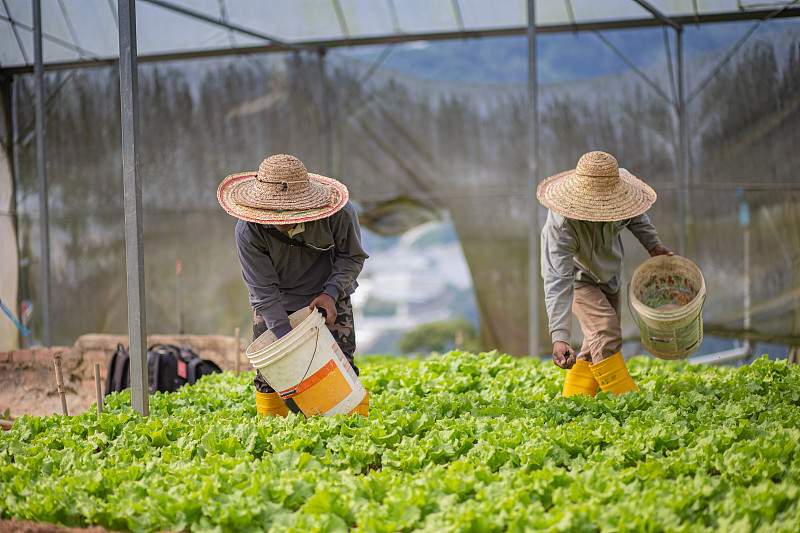
Recently, with rising consumer demand for healthy food and growing awareness of environmental protection, organic agriculture, with its emphasis on renewable resources and its commitment to protecting soil and water resources, has become a focal point in the agricultural sector. What is the core secret of organic agriculture? In-depth research by reporters revealed that it all begins with cultivating "good soil," and diverse natural management techniques are injecting continuous vitality into organic farms.
In organic farming, soil quality management is of paramount importance. It not only affects the soil itself but also connects multiple aspects, including water conservation, weed control, and pest and disease management. Organic farmers commonly use techniques such as animal manure, compost, cover crops, green manure, and crop rotation to enrich and sustain the soil. Compost, as a low-cost and highly effective organic material, has become widely used in both home gardens and large-scale farms. Compost is made from decayed organic waste. Common ingredients include yard trimmings (wood chips, grass clippings, fallen leaves), food scraps (coffee grounds, tea bags, fruit and vegetable peels), and livestock manure (poultry, cow dung, horse manure). This "waste-to-treasure" compost promotes the growth of beneficial bacteria and fungi in the soil, making it nutrient-rich, moist, and fertile. It also significantly reduces or even replaces the use of chemical fertilizers, reducing agricultural non-point source pollution at the source.
Cover crops and green manure are the "soil guardians" of organic farms. Farmers select appropriate crop varieties based on the specific needs of their fields. Cover crops effectively protect the soil's surface, resisting wind and rain erosion, maintaining a stable soil structure, and increasing soil organic matter content, building a strong defense for soil health. Green manure, a special cover crop, is plowed into the soil after its growing cycle, returning nutrients to the soil, further increasing soil organic matter and completing a cycle of soil fertility improvement. Notably, cover crops also act as natural insecticides and herbicides—they occupy the space where weeds grow, preventing them from overgrowing on bare ground. Furthermore, they attract beneficial insects like ladybugs year-round, sharing pest infestations with the main crop through their attractiveness, reducing the need for traditional pesticides.
Crop rotation is also a key strategy for maintaining soil fertility in organic farming. Unlike conventional agriculture, where "repetitive cropping" (planting the same crop year after year) depletes soil nutrients, organic farmers strategically plan the order in which crops are planted in their fields. For example, an organic farm might plant wheat in one field, graze sheep the following year, and plant clover as a cover crop the following year. This diversified cropping pattern ensures balanced utilization of various nutrients in the soil, preventing excessive depletion of specific nutrients by a single crop and truly achieving "land use and maintenance integration."
In addition to crops, organic farming also employs sustainable management strategies for livestock and poultry. Farmers develop personalized organic farming strategies based on the types of animals they raise, ensuring a healthy environment for their livestock and minimizing the environmental impact of the farming process.
Today, organic farming, with its respect for nature and recycling principles, is providing a new direction for sustainable agricultural development. Many farmers report that adhering to organic farming has not only improved the ecological environment of their farmlands, but also significantly enhanced the quality and taste of their produce. More and more consumers are willing to pay for this "gift from nature." In the future, as organic farming techniques continue to expand and improve, more people may participate in this agricultural revolution that "protects the soil and protects health."
More News
- ◉ How to choose urea fertilizer suppliers with reliable delivery and consistent N-content certification?
- ◉ Shandong Nongsheng Fertilizer Company Continues to Expand Its Market Portfolio and Grow Its Influence
- ◉ Shandong Nongsheng Fertilizer Company Innovates Collaboration Models, Achieving Win-Win Results for All Parties
- ◉ Shandong Nongsheng Fertilizer Company: 20 Years of Development, Building a Diverse High-Quality Fertilizer Matrix
Contact Us Form